Diesel diagnostics
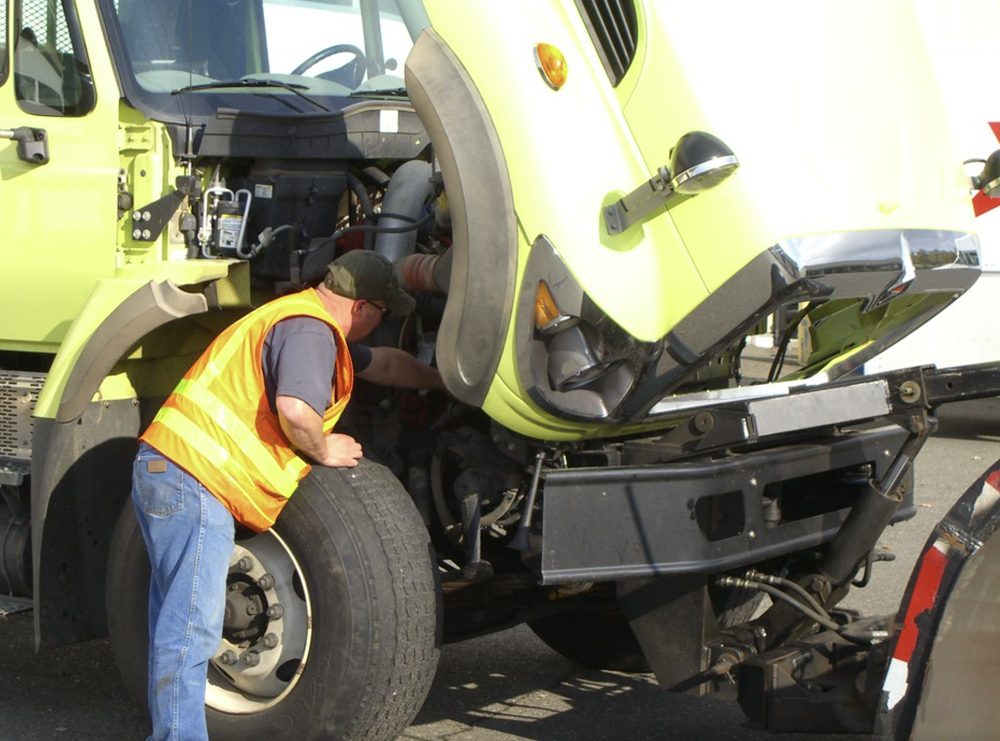
Codes, cranking tests, fuel and air checks. The scanner rides in front and the verdict comes in plain words.
Murray sits in the middle of the Salt Lake Valley's freight grid, which makes it the right home base for a service truck and a terrible place to need a tow. Between I-15 running the spine, I-215 looping the belt, and the distribution parks stacked from South Salt Lake to Draper, a dead truck here is always blocking something. Murray Super Mobile Truck Repair fixes it where it stopped.
Diesel, brakes and air, trailers, tires, electrical, and the altitude-and-grade problems this valley adds for free. One call, answered by a wrench, not a queue.
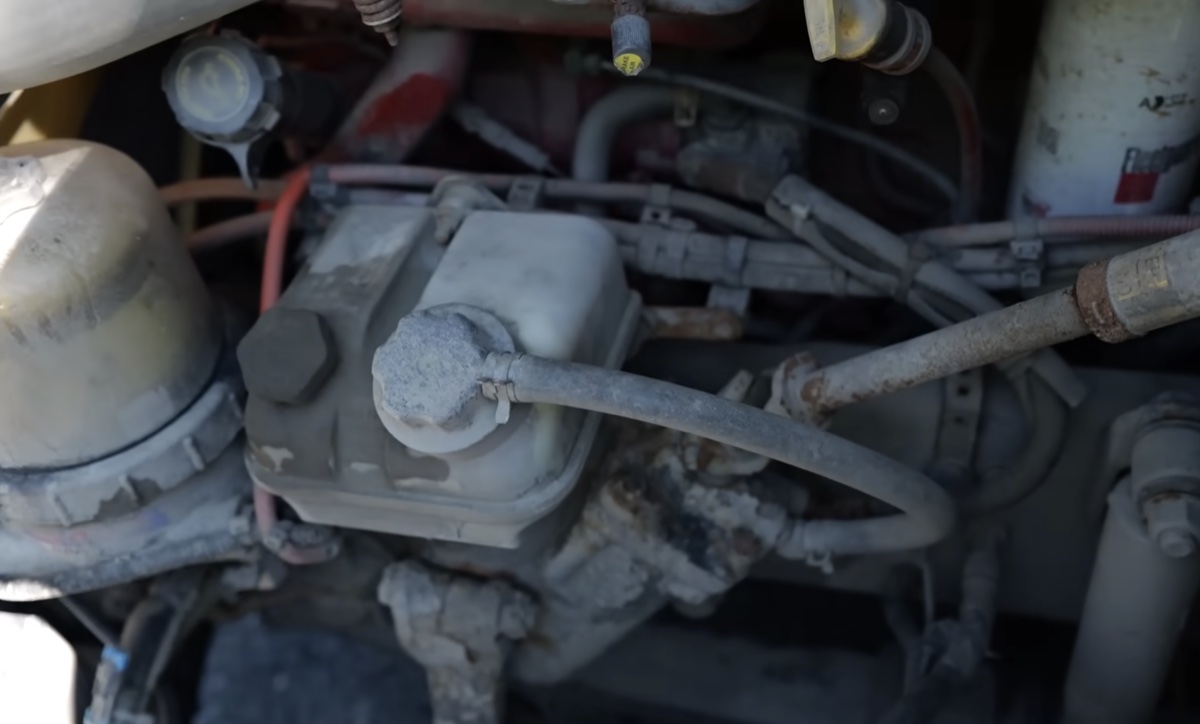
Codes, cranking tests, fuel and air checks. The scanner rides in front and the verdict comes in plain words.
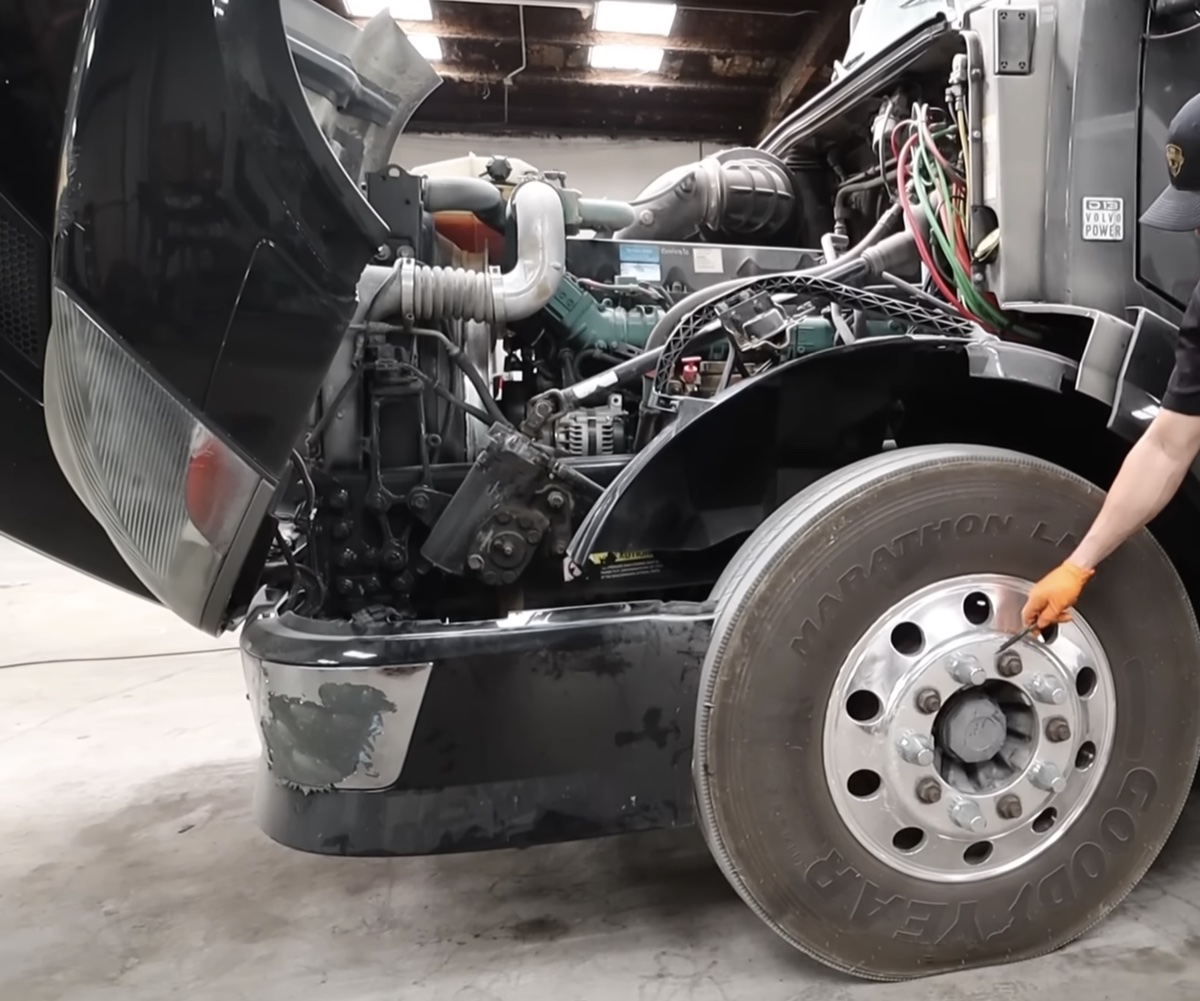
Grade country brake work: chambers, valves, adjusters, ABS, set to spec where the truck sits.
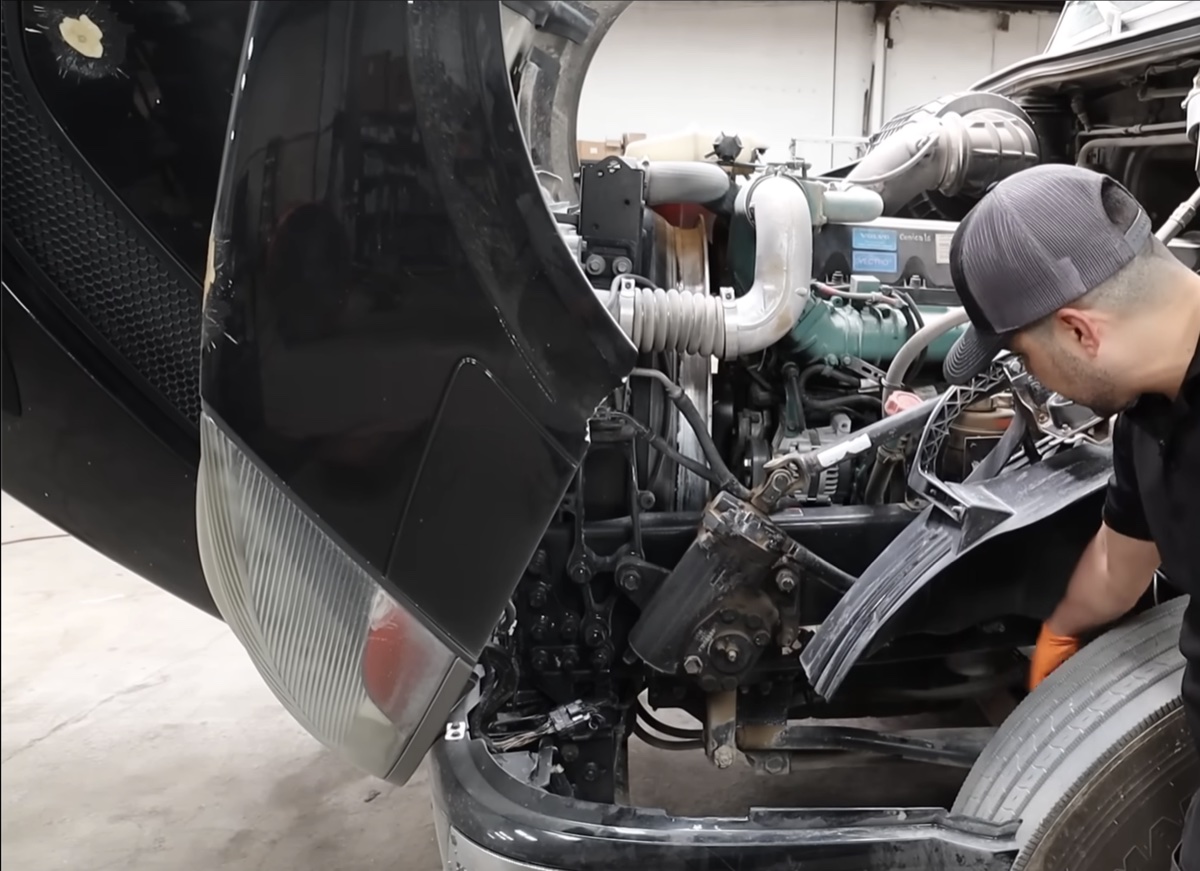
The climb specialty: radiators, hoses, thermostats, fans, diagnosed before the mountain makes it an engine job.
Lights, air, doors, landing gear, fixed at the dock or the drop lot.
Load tests first, corrosion hunted, charging verified. Valley winters make this a season, not a service.
Scheduled sweeps timed to the storm calendar and the shipping calendar both.
The valley's distribution economy runs on schedules that assume every truck starts every morning. Our fleet accounts keep that assumption honest: scheduled yard rounds, per-unit histories, winterization before the first canyon storm, and cooling checks before July. Independents get the same diagnostics and the same straight verdicts, sized to one truck.
Repeat symptoms get treated as patterns, not coincidences. When the same fleet loses the same component twice, the third conversation is about cause, not replacement.
The daily territory runs the valley: Murray and Midvale at the center, the warehouse belts along I-15, the West Valley distribution parks, and the yards that feed everything from Ogden-bound linehaul to Park City deliveries. The interesting edges are the canyon approaches, where grades test brakes on the way down and cooling systems on the way up, in both cases suddenly.
Winter inversions keep the valley floor gray but workable; the storms that matter come sideways off the mountains. We run all of it with an eye on the forecast, because in this valley the weather report is part of the repair plan.
Four answers get a technician moving: symptom, location, load, and whether the truck can move safely. Grades add a fifth here: if the brakes are in question, where is the truck relative to the nearest downhill. That answer can change everything about the plan, and we ask it early.
The verdict is honest and fast. On-site fix, controlled move, or bay referral with the diagnostic already done. Utah distances are shorter than they look, but only if nobody wastes a trip.
To the mouths and the staging areas, yes. Beyond that depends on conditions and where exactly the truck sits, so call with the mile marker and you will get a straight answer instead of a hopeful one.
Stop. Cooked brakes lie: the pedal feels fine until it does not. Park somewhere flat, let them cool, and call with what you smelled and where. We stroke-check the axle before anyone trusts that pedal again.
That is home territory, usually quick. We quote windows off where our truck actually is, not off optimism, so the number you hear is one you can dispatch around.
One call, whole list. We clear yards in route-priority order, worst-first, and the fall winterization customers get smug about how rarely they make this call.
Yes. The valley's delivery fleets ride the same grades and cold as the big iron, and their liftgates fail with the same terrible timing. Same triage, same number.
Freight moves seven days here and the phone matches. Night triage is identical, and the 215 loop is finally quiet.
Have eyes on the truck if you can, and lead with the location detail, because valley addresses hide behind business parks.
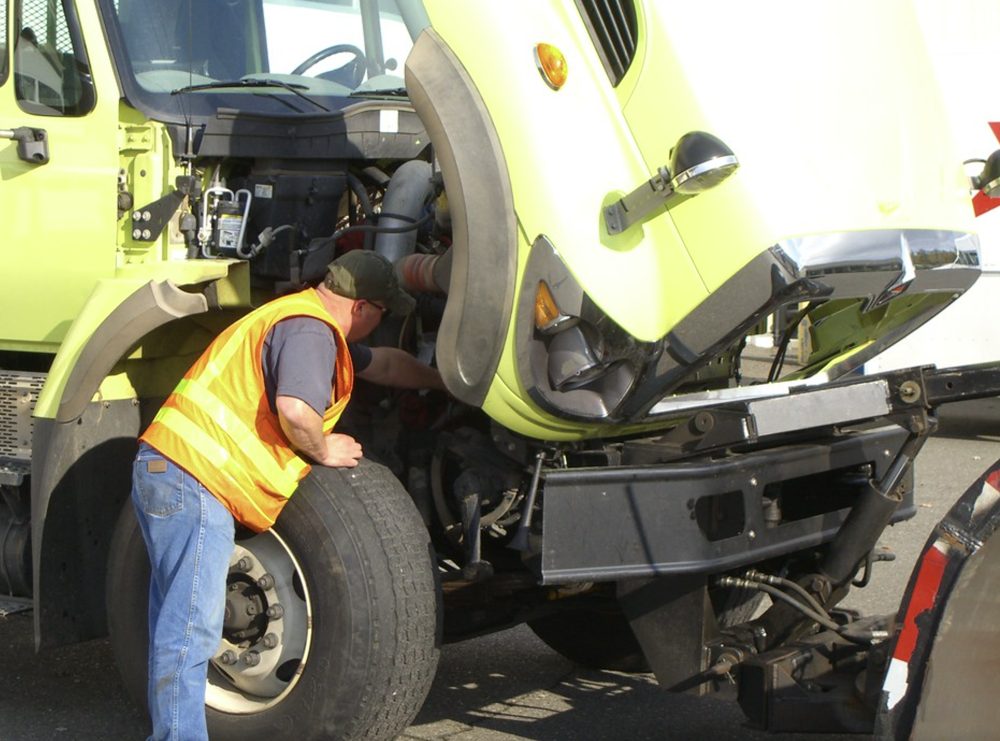
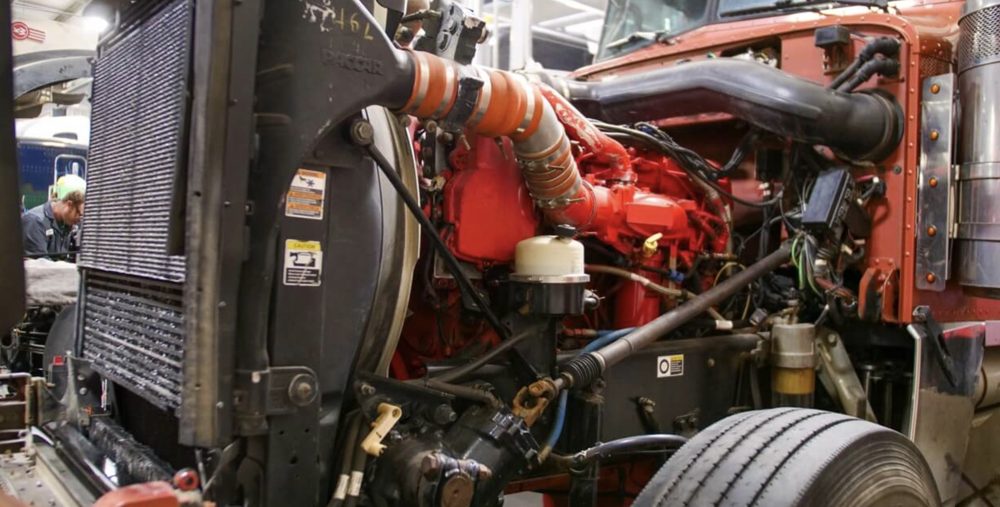
Trucks tuned at sea level notice this valley. Marginal cooling systems that survive Nevada quit on the climb to Parleys, and brakes that were legal-but-tired coming in from the west discover the descent side of the same math. Our summer stock leans cooling and our brake calls get grade-aware questions, because geography here is a mechanical force.
Winter flips the script: cold soak on the valley floor kills weak batteries in clusters, storm mornings produce yard triage runs, and the salt keeps our electrical work steady into spring. Fleets that take the October winterization visit skip most of the January drama, a sentence we repeat every fall because it keeps being true.
Salt Lake's freight grid is compact by western standards, and that compactness is the customer's friend: a mobile unit based in Murray reaches most of the valley's yards inside a working window that Denver or Phoenix operations would envy. We built the business around that geometry. Short response arcs, stocked trucks, and no wasted miles means the repair you need arrives while it still matters to today's schedule instead of tomorrow's.
It also means honesty travels fast. Quote windows here are short enough to check, so we quote ones that survive checking.
Loads heading up to Park City, the mining bench, or over the passes benefit from ten minutes of attention before the grade: coolant level and condition, belt state, brake stroke, tire pressures. We do pre-climb checks at valley yards as a standing service, because the mountain finds every deferred item with interest. The truck that gets looked at in Murray does not become a story on Parleys.
The coldest valley mornings bring a familiar rhythm: yard calls stacked before sunrise, batteries that quit in clusters, and dispatchers doing triage math over coffee. Our answer is a planned run, not a scramble. Send the unit list, tell us which routes leave first, and the yard clears in one pass with notes on what winter is planning to break next.
From December into February the valley traps its air and its cold, and trucks parked outside soak in both. Diesel that gels, batteries that fade, air dryers that freeze at the worst pressure moment. Our winter stock and our winter schedule are built around those months, and the fleets that plan with us in fall spend them working instead of waiting.
Mobile repair earns trust one verdict at a time. When the fix is roadside, we fix it. When it is not, you hear it before the service truck rolls, free, with the reasoning. That policy costs us a service fee now and then and buys us fleets for years, which is the trade every honest shop on wheels should want.
Exit or park name, symptom, load. You get the verdict and the window, and a technician headed your way with the parts the story called for.
Local service detail
Murray and Salt Lake Valley service calls move faster when dispatch has location details, unit status, trailer connection notes, and the main failure symptoms up front.